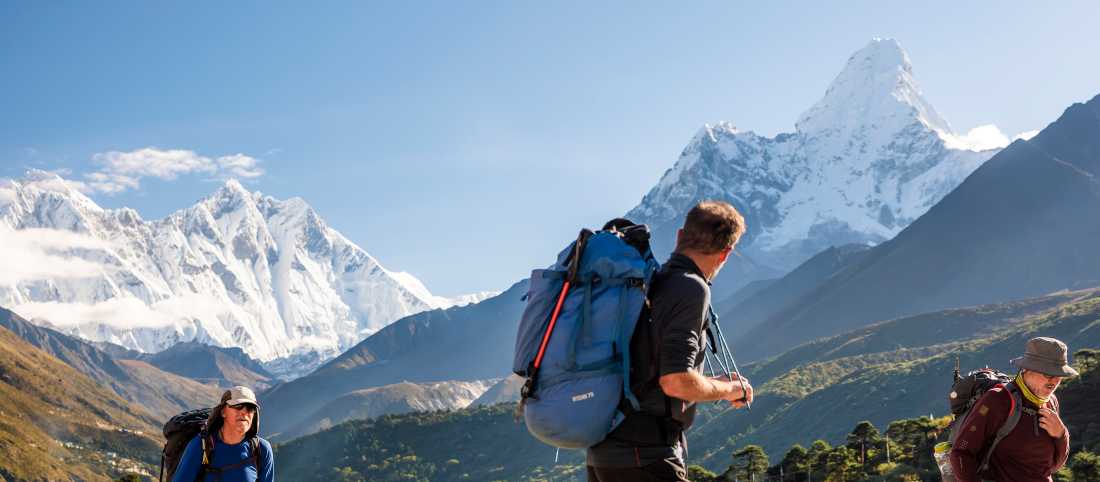
Everest: The Everest Base Camp Trek is perhaps the most well-known trek in the Himalayas and attracts each year thousands of trekkers from around the world who want to see Mount Everest, experience Sherpa culture, and enjoy beautiful mountain scenery. You can do this trek any time of year, but the cost is simply higher during peak trekking seasons (spring or fall) for the Everest Base Camp Trek. Peak seasons herald beautiful weather and mountain views, e.g., September to December (autumn) and March to May (spring), when trekking conditions are ideal.
However, accommodation prices and transportation availability rise with the increased demand for these months, as do some of the guided services, increasing overall trekking costs. Peak season makes the Everest Base Camp trek expensive! [Reasons Inside] Travel writers at Mountain Goat reveal why the Everest Base Camp Trek costs more in peak season and how it can help travelers plan a Himalayan trip on a realistic budget.
Costs for the Everest Base Camp Trek Rise with Soaring Demand
Travelers are the very reason Everest Base Camp Trek is costly in peak season. The Everest region has some of the best trekking conditions during autumn and spring, drawing thousands of international trekkers each year. As tourists continue to venture into the region, a demand for flights, tea houses, guides, porters, and other trekking services is on the rise. Because few facilities and lots of travelers compete for the same in mountain areas, prices tend to be driven high. Clearly, peak seasons are the busiest times of the year, and they will have a direct impact on how much you can expect to spend on your Everest Base Camp Trek.
High Prices for Accommodation During the Bustling Trekking Seasons
You will be at a teahouse, and the prices are based on occupancy, and the higher seasons generally help raise these average prices. There are hundreds of trekkers on the way every spring and autumn in the popular places like Namche Bazaar, Tengboche, Dingboche, Lobuche & Gorak Shep. Due to the limited number of rooms in distant alpine locations, owners can adjust prices dynamically depending on demand. Accommodations with superior facilities at choice locations get booked out fast. Having prior knowledge of seasonal pricing and careful planning helps the trekkers to prepare their itinerary quite in advance.
Flights From Lukla → Trekking Cost Availability
Transportation charges to a few percent of the same are another driver towards high costs in peak season. The bulk of all trekkers fly to Lukla in the Everest region via Kathmandu (this is known as Tenzing-Hillary Airport), and this flight can be in high demand during peak months. With few flights and therefore more passengers per airplane, this in turn influences ticket prices and reduces the flexibility of the schedule. However, weather delays can be contingent, which also means added costs if tourists need longer accommodation or arrangements. Booking in advance frees you from the last-minute inconvenience of having to book a transport during rush trek seasons.
Expanding Guide and Walker Services: Increasing Competition
Peak Season Everest Base Camp Trek 6 days When it is peak season, follow up with auto-topping 4X4. Because of the lengthiness of long-distance hikes, many trekkers choose to employ native hands for navigation and cultural perception, protection support, and a lift on their luggage.
Since popular registered guides and honest porters book up quickly in peak months, the capacity of your chosen service may be limited, or their rates may rise. By reserving these services in advance, travelers can expect experienced assistance and gain greater control over their trekking budget. That is what professional backing renders everything a lot safer and more pleasant, especially in many high-altitude situations.
Trekking draws indirectly impacted but may hike permit and service costs
Although entry fees and official trekking permits may remain the same, service-related costs can increase during the peak season. Such transportation providers, accommodation services, and trekking agencies are generally in operational demand. This is likely to raise costs on other services (e.g., ride-making rental, food supplies, and local transportation) due to increased demand from this influx of visitors. And many resources within the Everest region must be transported up from lower valleys, thus giving a high demand impacting on trekking prices. It is these indirect costs what brings passengers closer to an actual budget.
The Warm Climate Demand: An Increased Demand For Seasonality
The best weather conditions are heavy hitting, which is the reason why the Everest Base Camp Trek is super busy during peak season. The autumn offers some pretty blue skies, settled weather, and gorgeous mountain scenery, while the spring seduces with appealing gentle warmth and colored scenes of nature. The environment here is conducive to trekking, a welcoming playground for novices and seasoned walkers alike. This stat insensitively means fewer people want to view the Everest region in an offseason; thus, unfulfilled demand will naturally lead towards higher prices. Many trekkers find its increased cost warranted through this additional experience.
Key Pillar: Food Prices Increase with Altitude and Demand
The Everest Base Camp Trek during peak season also drives the cost of food supply higher. The mountain villages depend on deliveries coming up from the lower levels, but a significant increase in the number of visitors means more hot meals and snacks are needed. The thin air of higher altitudes makes movement complicated, which raises food prices (compared with woodlands, and even more so push alike to cities). In busy times of the year (high trek season), popular teahouses may serve you limited ingredients due to high demand. It also essentially assists trekkers in budgeting their food during the journey as they plan which meals to prepare and take personal snacks on going out for eateries based on market value put up by municipalities.
EPISODE WE COVER | Believe It Or Not!
Prices also reflect how the trekking environment shifts during peak season. With more trekkers come fewer viewpoints, which means less space to enjoy the scenery; however, they also share accommodation and places to eat along the way during the Everest Base Camp Trek. Some are making trips during peak travel seasons when everybody is out in droves because there are more native opportunities with attending visitors from distant lands or just experiencing the hustle and bustle of a city. Whereas some would wish to have that experience quietly in the more muted months. It is up to the traveler if the advantage of peak season outweighs higher costs.
Peak season necessitates advance booking.
Planning for the Everest Base Camp Trek, where the peak months are a vital factor. Everything else from flights to accommodations and even trekking services gets booked out quickly due to demand at lynchpin levels. The hotels with late bookings never ever charge you high and provide you with fewer options. For travelers, it is key because with a booking made in advance, they have time to compare prices and choose the services that best suit their needs without having to pay more for unnecessary services. One of the best ways to manage your peak-season trekking finance is with good planning.
How To Ease The Everest Base Camp Trek Price
While peak season can be more expensive, trekkers can keep costs to a minimum by planning ahead and making smarter decisions. Which can be done by opting for a stay at a regular teahouse, sharing transportation with other travelers, choosing the right trekking packages, and avoiding unnecessary purchases. Whereas early booking flights and service more often will help you get better values. Trek agency packages can be compared based on value for money. Trekkers can take advantage of peak season without breaking the bank—provided that they plan ahead.
Pros of Choosing Peak Season (Even if it costs more)
Many trekkers even go to the level of being ready to pay expensively for the Everest Base Camp Trek because of the advantages we get during peak season. The weather conditions become favorable, the temperatures turn into a moderate range, and hiking trails are more accessible, along with clear mountain views, making an incredible trekking climate.
The predictable weather and stunning Himalayan views are something that particularly photographers prefer. That makes that once-in-a-lifetime opportunity available for the travelers who find it worth the effort and cost of spending extra to see Mount Everest in ideal weather. The fact that you are delighting in the value of trekking at that period is, usually, what carries peak season on full throttle.
Final Note: Tips for Trekking to Everest Base Camp During Peak Times
There are a far greater number of trekkers trekking in the peak season, which means greater demand, fewer mountain resources, and optimum suitable trekking conditions, causing the Everest Base Camp Trek Cost to be high during these months compared to others. Peak months usually offer accommodations, transportation, and guide services for elevated prices.
However, the advantage of stable weather and clear mountain views, along with generally good hiking conditions, makes a peak season an attractive alternative for many travelers. With a bit of planning, it is possible to enjoy an unforgettable Everest Base Camp Trek experience to balance out your tight budget due to the ins and outs of seasonal pricing and advance booking help!